Destination Details
Mikumi National Park
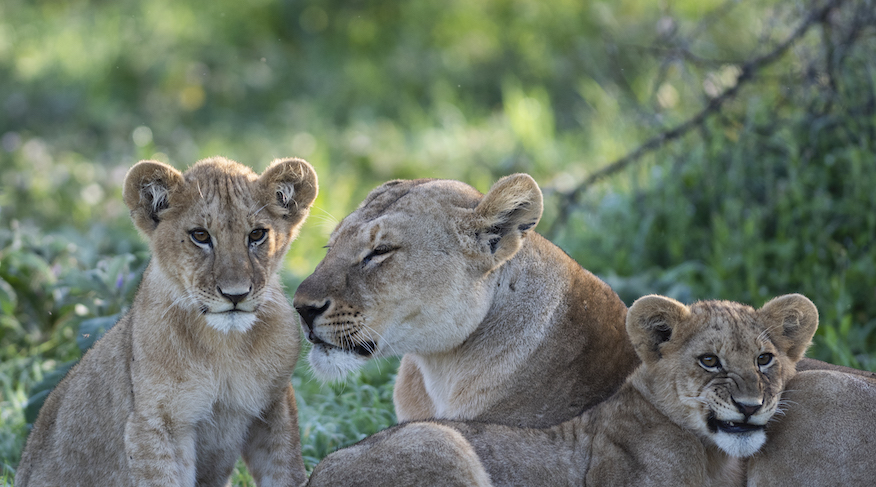
Mikumi National Park, often referred to as a "Little Serengeti," is Tanzania’s fourth-largest park and one of its most accessible, located about a 4-hour drive from Dar es Salaam. It serves as a vital part of the larger Selous-Niassa ecosystem, allowing for incredible wildlife movement and diversity.
Wildlife Highlights
Mikumi is home to four of the "Big Five" (lions, elephants, buffalo, and leopards), with the Mkata Floodplain serving as the park’s crown jewel for sightings.
- The Mkata Floodplain: This vast open grassland is the best place to see large herds of zebras, wildebeests, impalas, and buffalo. It is also a prime hunting ground for lions.
- Unique Species: The park is known for sightings of the rare Sable Antelope, Lichtenstein’s Hartebeest, and the Greater Kudu. You may also see the African Wild Dog, which is more elusive.
- Hippo Pools: Located about 5km north of the main entrance, these permanent water bodies offer close-up views of wallowing hippos and various water birds.
- Birdlife: With over 400 species, it is a birdwatcher's haven. Look for the Lilac-breasted Roller, Bateleur Eagle, and various hornbills.
Top Activities
- Game Drives: The most popular way to explore the park. Morning and late afternoon drives offer the best light for photography and the highest animal activity.
- Walking Safaris: Accompanied by an armed ranger, these walks allow you to appreciate the smaller details of the bush, tracks, and medicinal plants that are often missed from a vehicle.
- Night Game Drives: Some lodges offer night drives to spot nocturnal animals like bushbabies, nightjars, and predators on the prowl.
- Cultural Tours: The nearby Mikumi village offers cultural tourism programs where you can visit local markets and learn about the traditional lifestyles of the residents.
Best Time to Visit
- Dry Season (June to October): This is the peak time for wildlife viewing. As water sources dry up, animals congregate around the Mkata River and the hippo pools. The grass is short, making it much easier to spot predators.
- Wet Season (November to May): The park turns into a lush green landscape. While wildlife can be harder to spot in the thick vegetation, this is the best time for birdwatching as migratory species arrive. Note that some tracks on the floodplain can become muddy and challenging during heavy rains (April and May).
Accommodation Options
- Inside the Park: For an immersive experience, Stanley’s Kopje offers luxury Meru-style tents on a rocky outcrop with 360-degree views. Vuma Hills Tented Camp and Mikumi Wildlife Camp are also popular options located within or at the very edge of the park boundaries.
- Outside the Park: There are several lodges and campsites located just outside the main gate along the highway, such as Camp Bastian, Tan-Swiss Lodge, and Mikumi Adventure Lodge. These often provide a more budget-friendly alternative while remaining very close to the action.